
Department of Computer Science and Engineering (CSE)

Accredited by the National Board of Accreditation (NBA) under Tier-I

Infrastructure

The Department of Computer Science and Engineering is supported by well-planned infrastructure that enhances the teaching–learning process. Modern smart classrooms, advanced computing laboratories, high-performance servers, and specialized labs such as programming, networking, database, AI/ML, and cybersecurity labs provide students with an engaging, hands-on, and technology-driven learning environment. Centers of excellence and innovation hubs further encourage research, project development, and industry-oriented skill enhancement.

Learning Space

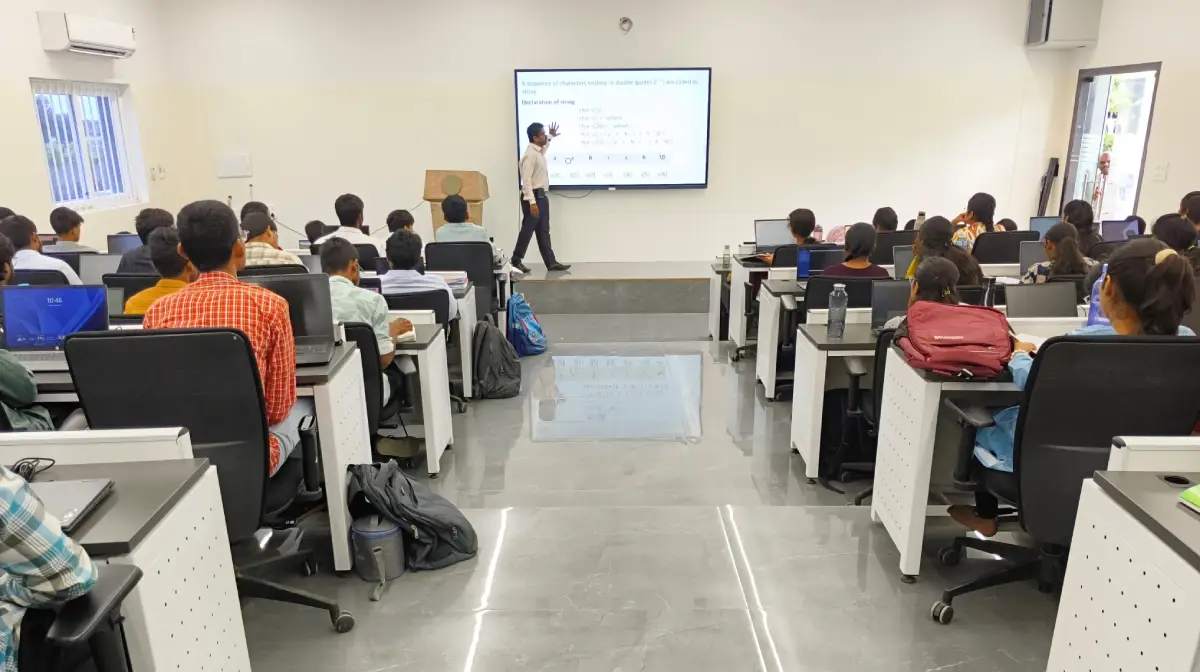
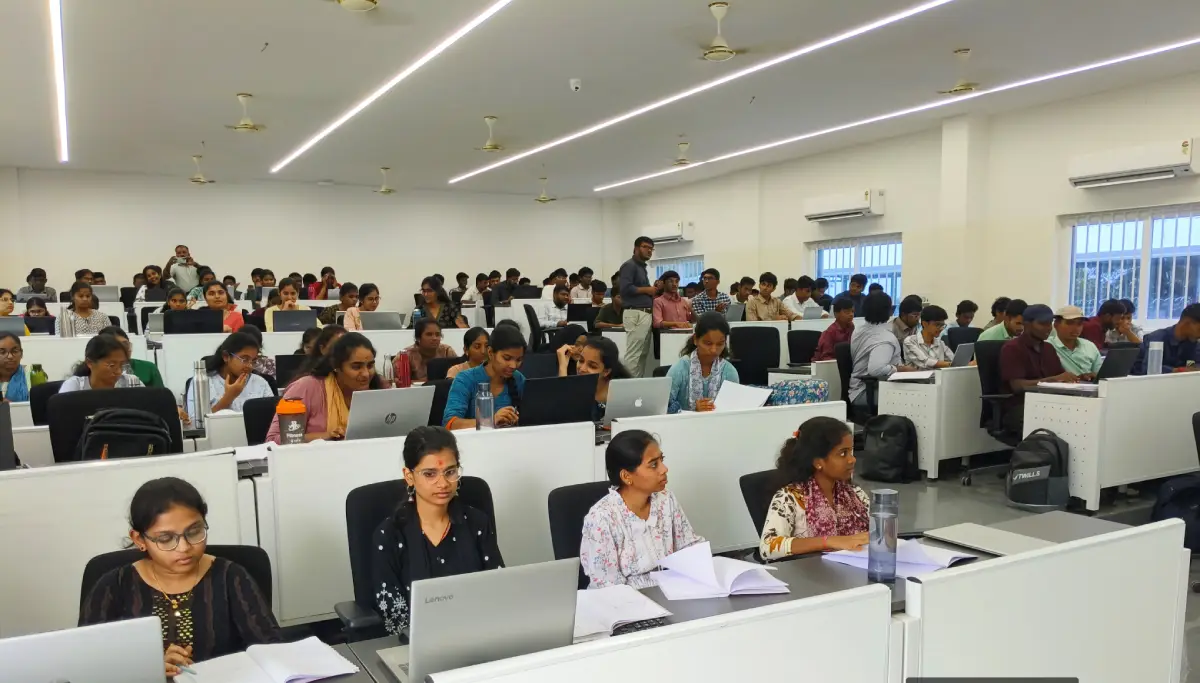
The department has spacious, well-ventilated classrooms equipped with modern teaching aids to support effective classroom instruction and technology-enabled learning.

Smart Classroom Infrastructure for Hybrid and Digital Learning

The Department of Computer Science and Engineering (CSE) has established modern Smart Classroom Infrastructure to support hybrid, online, and technology-enabled learning. These classrooms are equipped with advanced instructional technologies such as high-definition projectors, interactive digital boards, and multimedia presentation systems, enabling faculty members to deliver engaging and visually rich learning experiences. The integration of digital teaching tools allows seamless access to online resources, simulations, and collaborative learning platforms, enhancing the effectiveness of classroom instruction.

To facilitate hybrid learning environments, the classrooms are supported by high-speed internet connectivity, video conferencing systems, and real-time collaboration platforms. These technologies allow students to participate in lectures, discussions, and project-based learning activities from remote locations while maintaining active interaction with instructors and peers. The digital infrastructure ensures uninterrupted connectivity and smooth integration between in-person and virtual learning environments.

This technology-enabled classroom ecosystem promotes interactive, flexible, and inclusive learning, ensuring that students have equal access to academic resources regardless of their location. By integrating smart teaching technologies with modern pedagogical practices, the department strengthens its commitment to delivering a dynamic, student-centric, and future-ready educational experience aligned with contemporary digital learning standards.

Laboratories

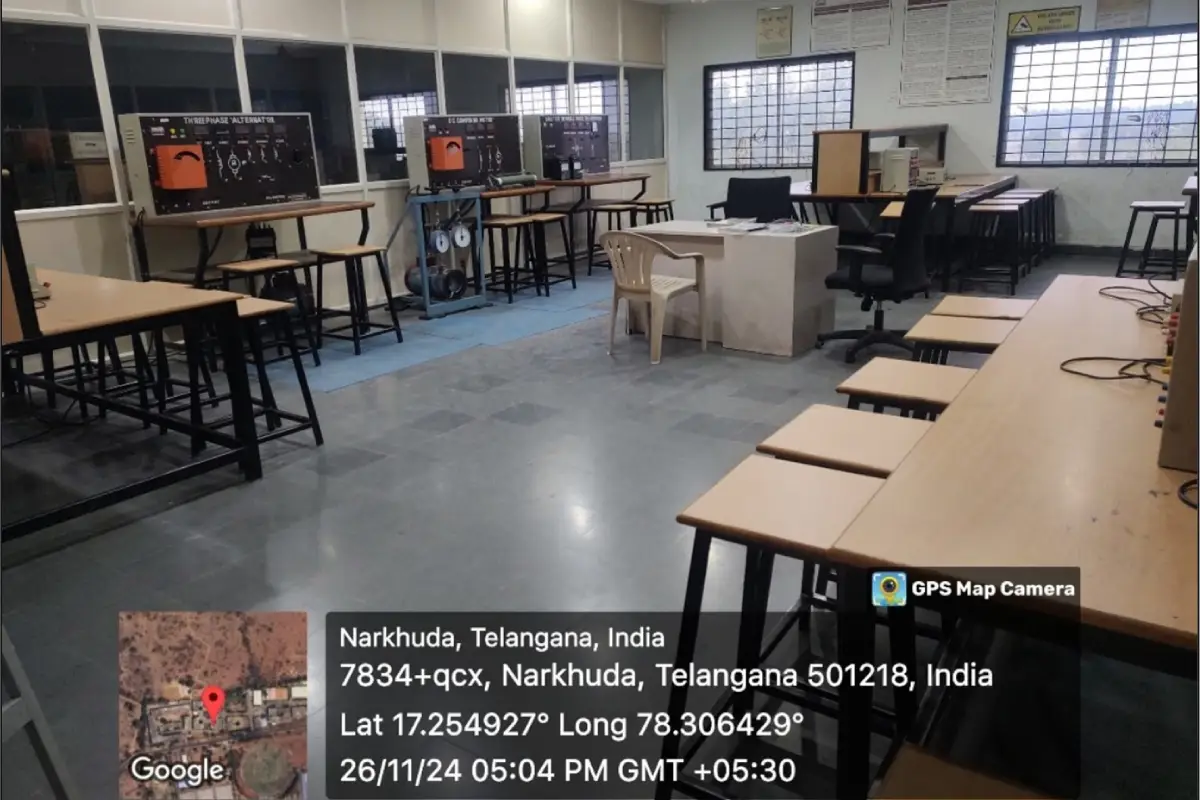
The laboratories in the Department of Computer Science and Engineering are equipped with modern computing systems to support activities in programming, data analytics, cloud computing, artificial intelligence, and emerging technologies. The typical system configuration includes Intel Core i7 processors with 4 GB RAM and 1 TB HDD, as well as Intel Core i5 (10th Generation) processors with 16 GB RAM and 1 TB HDD, providing adequate computational capability for academic and experimental work. The laboratories are supported by high-speed LAN connectivity with internet access, enabling seamless access to online resources, cloud platforms, and collaborative tools. In addition, the infrastructure includes multimedia projectors, smart classroom support, network switches, routers, and virtualization-enabled servers, which facilitate interactive teaching and practical experimentation. These configurations effectively support programming development environments, data analytics frameworks, virtualization platforms, and web development tools required for various laboratory courses offered by the department.

The Programming and Software Development Laboratories provide students with a strong foundation in programming concepts and modern software development practices. These laboratories enable students to develop problem-solving skills using programming languages such as C, Java, Rust, and modern web technologies. Students gain hands-on experience in designing, developing, and testing software applications through structured lab exercises and project-based learning. The laboratories also emphasize software development methodologies, debugging techniques, and code optimization strategies. Through these facilities, students acquire the practical skills necessary for building reliable and efficient software systems.

The laboratories are supported by a variety of open-source and licensed software tools that facilitate programming, application development, and database management activities. The commonly used open-source software includes GCC Compiler, Code::Blocks, Dev C++, Rust Programming Environment, Visual Studio Code (VS Code), Eclipse IDE, Node.js, Git, Apache Web Server, MySQL, MariaDB, and Android Studio for mobile application development. These tools provide flexible platforms for learning programming languages, developing software applications, managing databases, and building web and mobile solutions. In addition, the laboratories also utilize licensed software such as Microsoft Visual Studio, Oracle Database, and Microsoft Windows Operating System, which offer industry-standard environments for software development, database management, and system-level programming. The combination of open-source and licensed software ensures that students gain exposure to both academic and industry-relevant technologies while developing practical programming and software engineering skills.
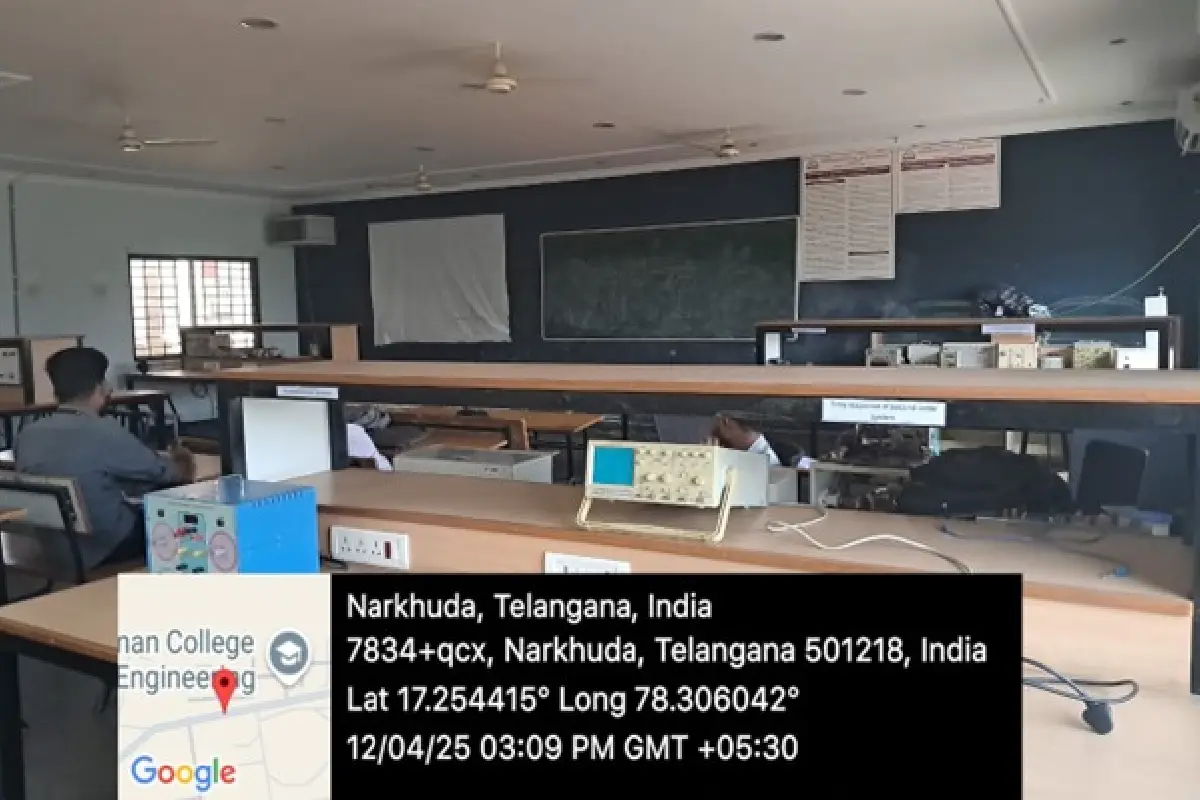

The Data Science and Artificial Intelligence Laboratories focus on developing analytical and computational skills required for handling large datasets and building intelligent systems. Students learn to apply programming techniques using Python and specialized libraries for data analysis, machine learning, and predictive modeling. These laboratories provide exposure to tools and frameworks used in modern data science workflows, including statistical analysis, visualization, and big data processing. Practical exercises help students understand concepts such as pattern recognition, data mining, and decision-making algorithms. The labs enable students to design and implement data-driven solutions for real-world problems.

The Data Science and Artificial Intelligence laboratories utilize a variety of open-source and licensed software platforms to support data analysis, machine learning, and large-scale data processing. The commonly used open-source software includes Python, Anaconda Distribution, Jupyter Notebook, NumPy, Pandas, Matplotlib, Scikit-learn, TensorFlow, Keras, Apache Hadoop, and Apache Spark for performing statistical analysis, predictive modeling, and big data processing. These tools enable students to develop data-driven applications and explore artificial intelligence techniques. In addition, the laboratories may utilize licensed software such as MATLAB, RapidMiner, and IBM SPSS Modeler for advanced analytics, visualization, and machine learning experiments.
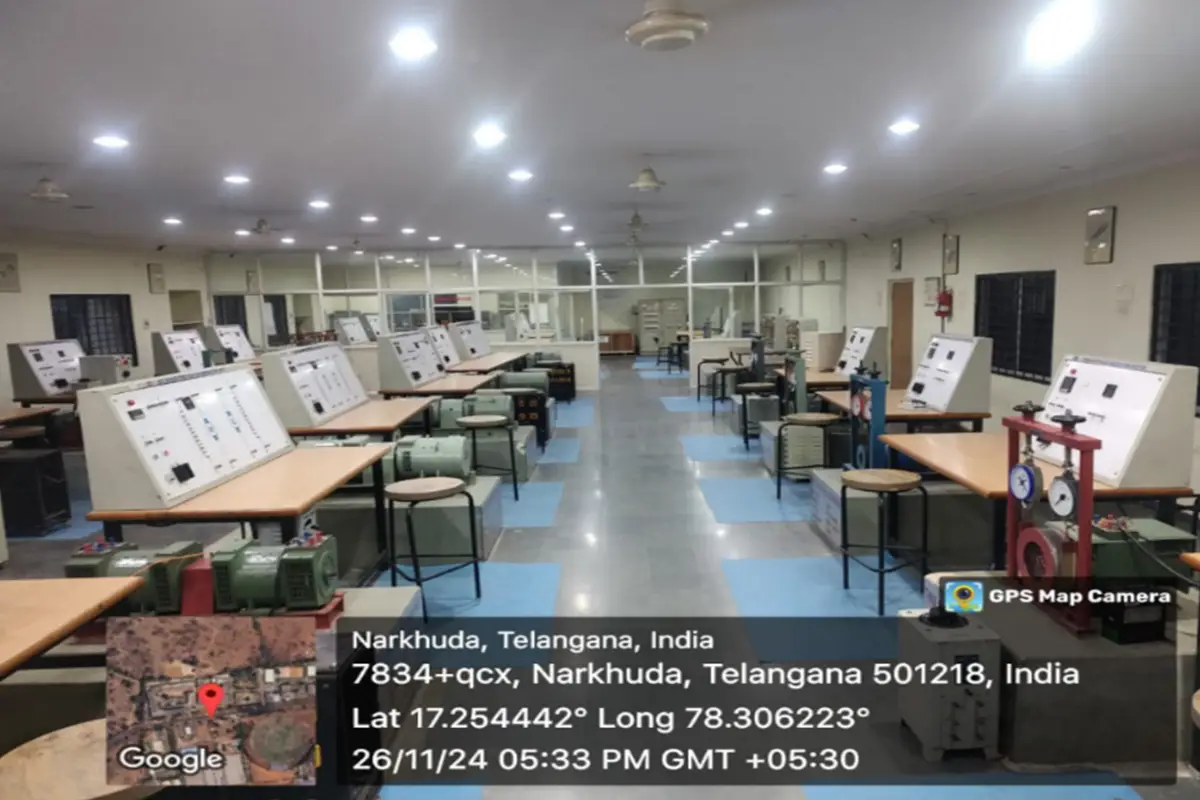
The Systems and Infrastructure Laboratories provide practical exposure to operating system concepts, system-level programming, and cloud computing technologies. Students learn about process management, memory management, file systems, and system security through hands-on experimentation. The cloud computing laboratory allows students to explore virtualization technologies, distributed computing environments, and scalable infrastructure services. These laboratories help students understand the architecture and functioning of modern computing systems. The practical training prepares students to manage and deploy applications in cloud-based and enterprise computing environments.

The Systems and Infrastructure laboratories provide students with hands-on exposure to operating systems, virtualization technologies, and cloud computing environments. The open-source software used in these laboratories includes Ubuntu Linux, Fedora, CentOS, Docker, Kubernetes, VirtualBox, and OpenStack, which allow students to experiment with system configuration, virtualization, and distributed computing frameworks. These platforms help students understand the architecture and functioning of modern computing systems and cloud infrastructure. In addition, licensed software such as VMware Workstation, VMware vSphere, and cloud platforms like Microsoft Azure or Amazon Web Services (AWS) may also be used to simulate enterprise-level cloud computing and virtualization environments.
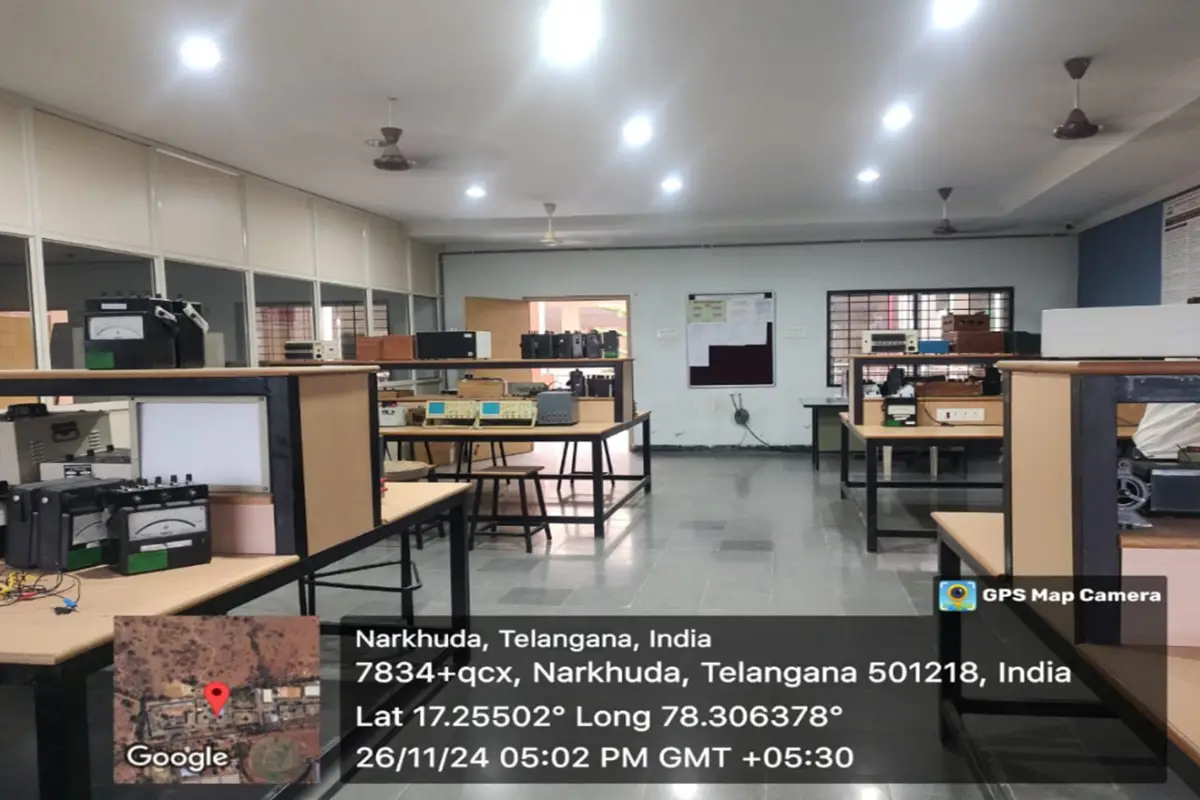

The Data Structures and Database Technologies Laboratories help students develop the ability to organize, store, and manage data efficiently. Through these laboratories, students gain practical knowledge of fundamental and advanced data structures, algorithm design, and performance analysis. They also learn to design relational database systems, write efficient SQL queries, and implement database applications. Hands-on exercises emphasize problem-solving using data structures such as trees, graphs, and hash tables. The labs enable students to build scalable and efficient data management solutions for complex computing applications.

The Data Structures and Database Technologies laboratories are equipped with software tools that support algorithm development and database management. The open-source software used in these laboratories includes GCC/G++ compilers, Python programming environment, MySQL, PostgreSQL, and SQLite, which help students implement data structures, develop algorithms, and design database applications. These platforms enable students to understand data organization, storage mechanisms, and efficient query processing techniques. In addition, licensed software such as Oracle Database and Microsoft SQL Server may be used to provide exposure to enterprise-level database management systems widely used in industry.


The Emerging Technologies and Communication Laboratories focus on developing interdisciplinary skills that combine technology, networking, security, and communication abilities. Students gain practical experience in areas such as Internet of Things (IoT), network security, and cyber defense mechanisms. The laboratories also support the development of professional communication skills through specialized English language training and technical communication exercises. These facilities prepare students for collaborative environments where both technical competence and effective communication are essential. The labs help students build industry-relevant skills required for modern technological and professional ecosystems.

The Emerging Technologies and Communication laboratories support practical learning in Internet of Things (IoT), cybersecurity, networking, and communication skills. The open-source software used in these laboratories includes Arduino IDE, Node-RED, Wireshark, Kali Linux, Cisco Packet Tracer (academic version), and Audacity for network analysis, security testing, IoT application development, and language learning. These tools help students develop practical skills in modern networking technologies, cyber defense mechanisms, and IoT systems. In addition, licensed software such as Cisco networking tools, digital language laboratory platforms like Sanako or Orell, and other professional communication software may also be used to enhance communication skills and networking experiments.

Project Laboratory

The Project Laboratory is a dedicated innovation space that enables students to apply theoretical knowledge through practical implementation and real-world problem solving. It supports undergraduate and postgraduate students in executing mini and major projects in areas such as software development, artificial intelligence, machine learning, data science, cybersecurity, cloud computing, Internet of Things (IoT), web and mobile application development, and automation systems.

The laboratory promotes innovation, teamwork, and interdisciplinary collaboration. Faculty members and technical staff actively mentor students in the use of modern development tools, programming frameworks, simulation software, and computing platforms, making this lab a hub for creativity, applied learning, research, and industry-oriented development.

Objectives

Major Facilities and Equipment

Research Laboratory

The Research Laboratory provides an advanced environment for students and faculty to explore, experiment, and innovate using modern computing platforms, simulation tools, and development frameworks. The laboratory supports research and project work in areas such as artificial intelligence, machine learning, data science, cybersecurity, cloud computing, computer networks, embedded systems, and Internet of Things (IoT) applications.

The lab integrates software-based modeling, algorithm design, and system simulation with hardware implementation where required, enabling students to transform theoretical concepts into functional models, research prototypes, and publishable outcomes.

Objectives

Major Facilities and Tools

Centre of Excellence (COE)

The Department of Computer Science and Engineering has established Centres of Excellence in collaboration with leading global organizations to bridge the gap between academia and industry. These Centres provide students with hands-on exposure to industry tools, real-world case studies, certification pathways, and project-based learning aligned with current technological demands.

MassMutual Center of Excellence (CoE)

Department of Computer Science and Engineering – Vardhaman College of Engineering

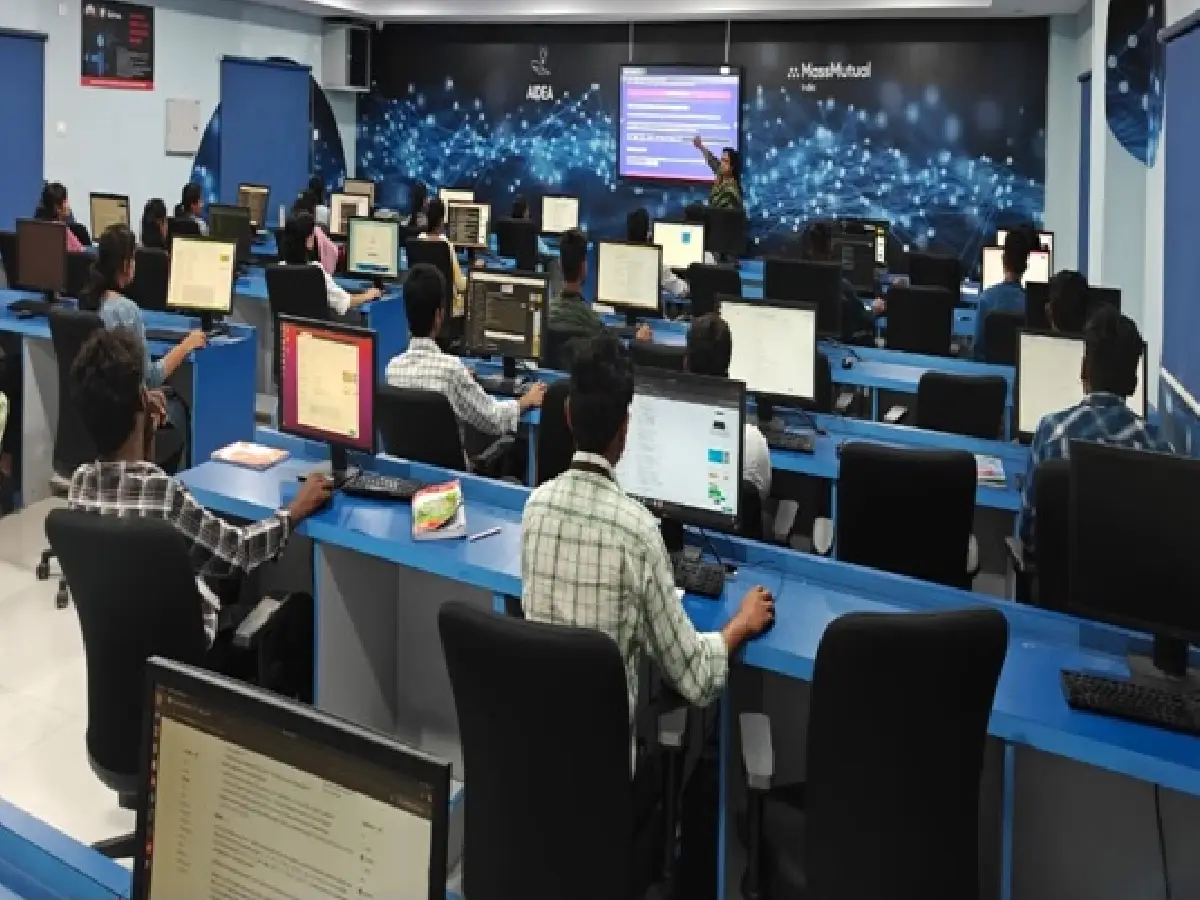
The MassMutual Center of Excellence (CoE) at Vardhaman College of Engineering focuses on developing student expertise in enterprise software development, data engineering, and financial technology (FinTech) solutions through strong industry–academia collaboration. The CoE provides hands-on training, real-world case studies, expert mentorship, and exposure to modern enterprise technologies to prepare students for industry-ready careers.

Students receive training in modern technology stacks including Node.js, React.js, Spring Boot, RESTful APIs, Jenkins, Docker, SonarQube, Airflow, UiPath, PostgreSQL, and cybersecurity tools. The program also includes industry case studies, expert sessions, hackathons (CodeSprint), industry visits, and project presentations in domains such as AWS, RPA, Full Stack Development, Databases, and Cybersecurity.

Outcomes

The CoE also supports internships, industry mentoring, and placement preparation, enabling students to gain practical experience and professional exposure.

Through these initiatives, the MassMutual CoE strengthens industry-oriented learning and enhances career readiness for students.

Evernorth Center of Excellence (CoE)

Department of Computer Science and Engineering – Vardhaman College of Engineering

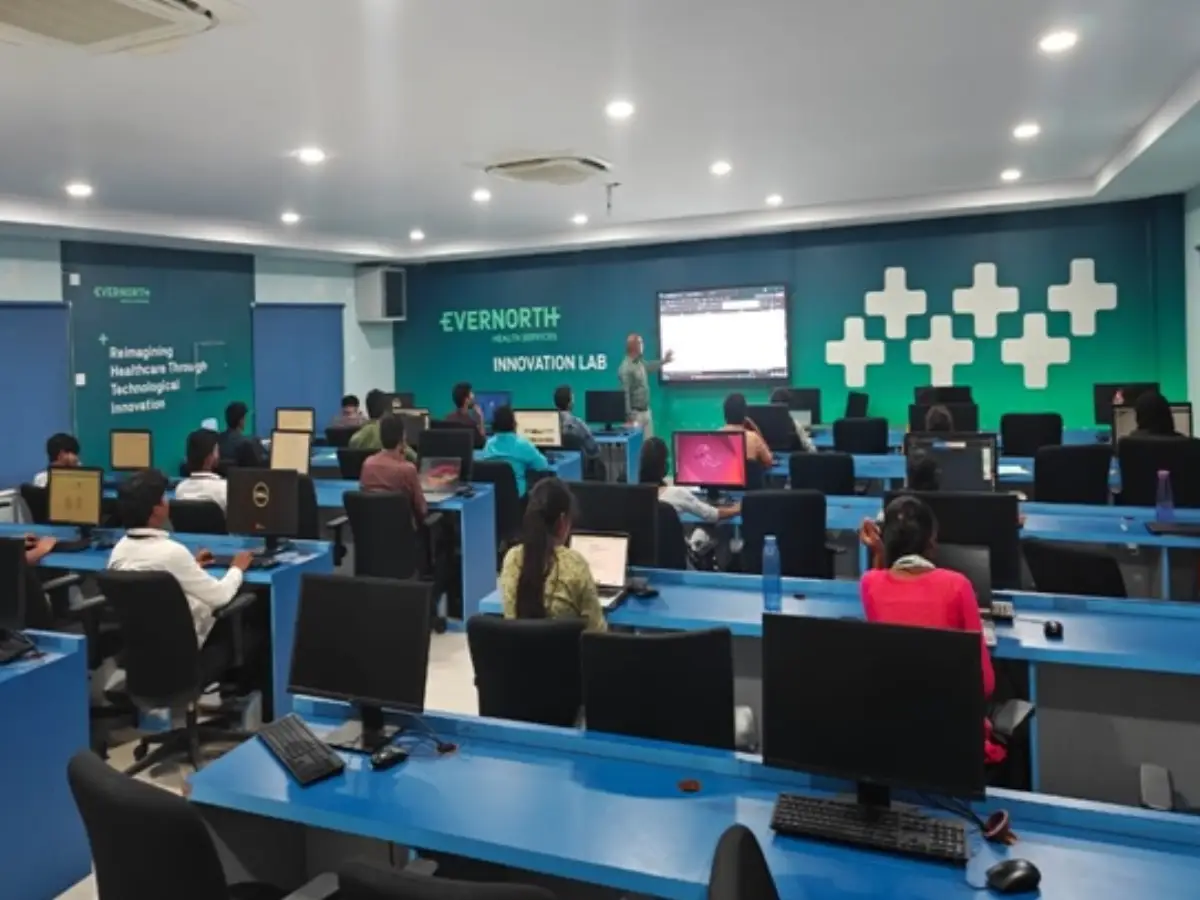
The Evernorth Center of Excellence (CoE) focuses on building competencies in healthcare technology, data analytics, and secure digital platforms through industry-aligned training and practical exposure. The initiative aims to prepare students to address real-world challenges in healthcare IT by integrating data-driven technologies with secure application development.

The CoE provides hands-on learning opportunities through healthcare data management and analytics projects, training in cloud technologies, and secure application development practices. Students also work on case studies based on real-world healthcare IT systems, gaining practical insights into healthcare data platforms and digital health solutions. In addition, the CoE organizes industry-oriented workshops and certification support programs to enhance students’ technical and professional skills.

Outcomes

The Evernorth CoE plays a key role in strengthening industry collaboration and preparing students for careers in healthcare technology, data analytics, and secure digital Systems

Salesforce Center of Excellence (CoE)

Department of Computer Science and Engineering – Vardhaman College of Engineering

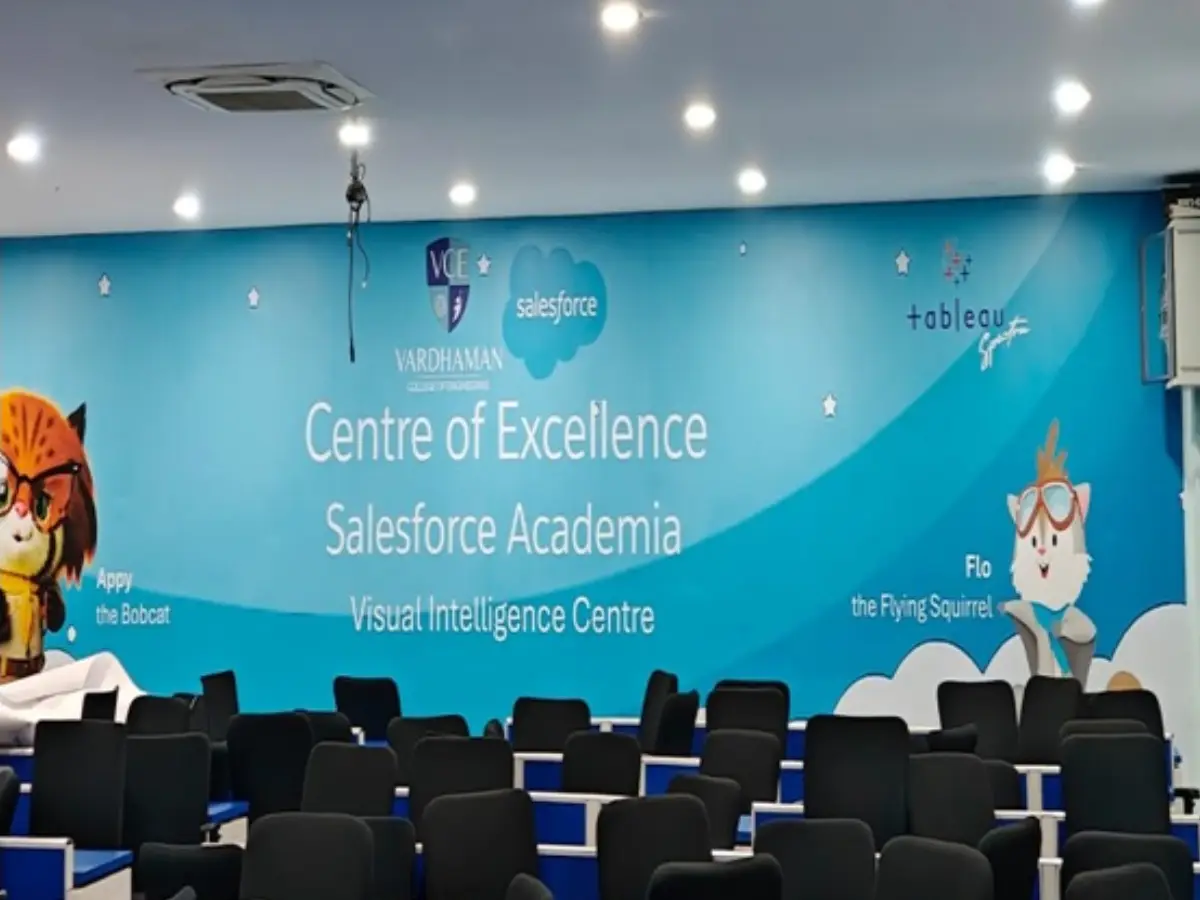
The Salesforce Center of Excellence (CoE) aims to equip students with industry-relevant skills in cloud computing and Customer Relationship Management (CRM) technologies. The CoE provides hands-on exposure to the Salesforce ecosystem, enabling students to develop enterprise-grade cloud applications and gain practical knowledge of Software-as-a-Service (SaaS) platforms widely used in industry.

Students receive hands-on training on the Salesforce CRM platform, including the development of cloud-based business applications and exposure to enterprise-level SaaS solutions. The initiative helps students build competencies aligned with industry requirements in cloud technologies and digital enterprise platforms.

Outcomes

Through these initiatives, the Salesforce CoE strengthens students’ capabilities in cloud-based enterprise technologies and enhances their readiness for careers in modern digital platforms.

AR/VR Center of Excellence (CoE)

Department of Computer Science and Engineering – Vardhaman College of Engineering

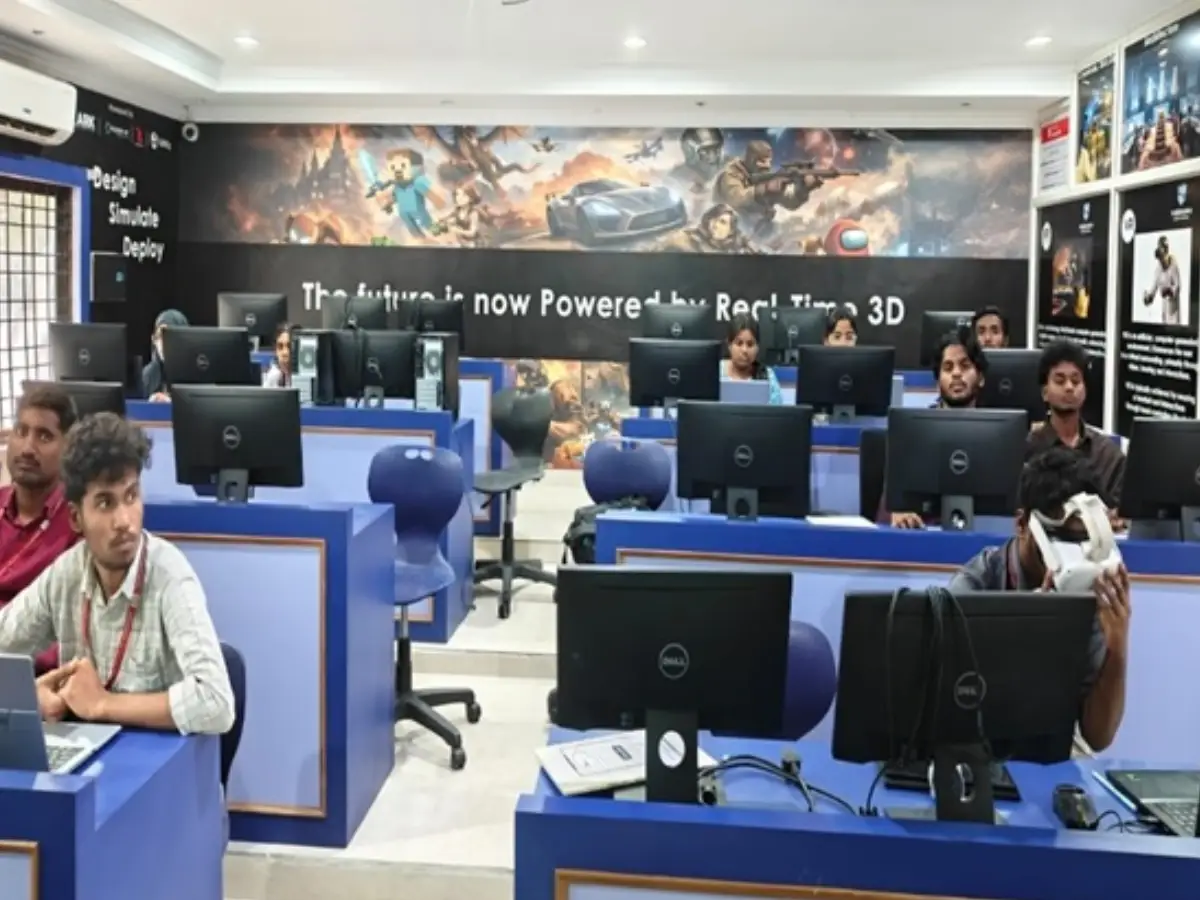
The AR/VR Center of Excellence (CoE) focuses on developing competencies in Augmented Reality (AR) and Virtual Reality (VR) technologies, enabling students to create immersive digital experiences and next-generation interactive applications. The CoE promotes innovation through hands-on learning, prototype development, and project-based training in emerging immersive technologies.

Students gain practical exposure to AR/VR application development using modern frameworks, 3D modeling, and interactive environment design. The training also explores applications of AR/VR in domains such as gaming, healthcare, education, and simulation-based systems. Through structured learning modules and guided projects, students develop innovative solutions using immersive technologies.

Outcomes

These initiatives enhance industry readiness, promote innovation, and equip students with advanced skills aligned with global immersive technology trends.