
Accredited by the National Board of Accreditation (NBA) under Tier-I
The Department of Computer Science and Engineering (CSE) follows a student-centered learning approach that places learners at the core of the teaching–learning process. The department emphasizes active classroom engagement, continuous mentoring, collaborative activities, and learner autonomy to enhance conceptual clarity, technical competence, and critical thinking skills. Through structured academic guidance, project supervision, laboratory practice, and industry-oriented exposure, students are encouraged to take responsibility for their learning while receiving consistent support from faculty members, thereby improving overall academic performance and professional readiness
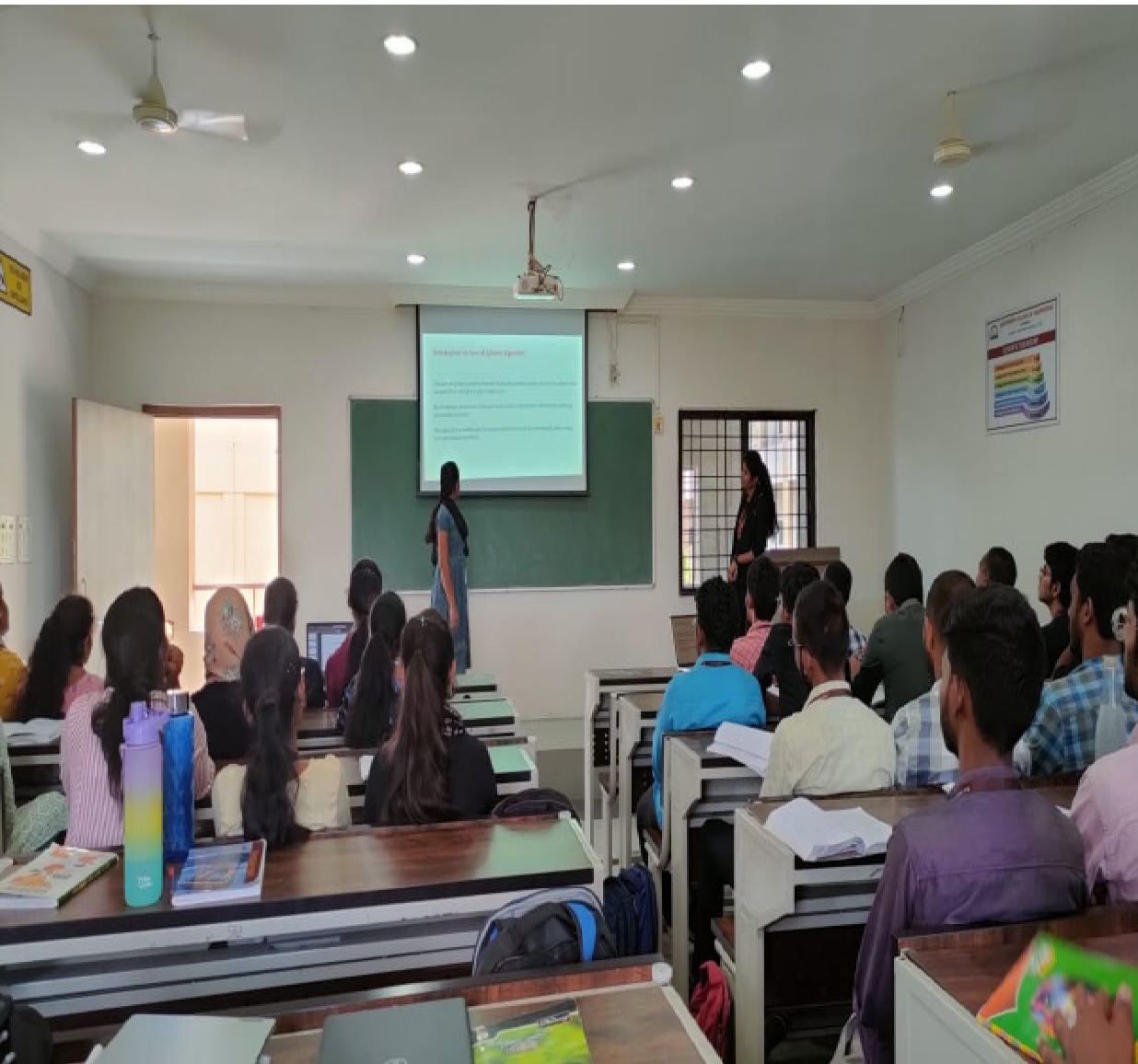
The Department of Computer Science and Engineering (CSE) ensures quality in teaching and learning by enhancing instructional effectiveness through the adoption of modern teaching strategies and aligning curriculum, assessments, and pedagogy with national and international accreditation standards as well as institutional objectives. The department promotes student-centered and collaborative learning by encouraging active participation, teamwork, and problem-solving skills while addressing diverse learning needs, including support for students requiring additional academic assistance.
To strengthen practical competence, the department maintains high standards in laboratory and hands-on training to equip students with industry-relevant skills. A continuous feedback and evaluation mechanism involving students, faculty, and administrators is implemented to monitor teaching effectiveness and learning outcomes. Additionally, faculty members are encouraged to engage in continuous professional development to stay updated with emerging technologies and best teaching practices, ensuring sustained academic excellence and improved student success.
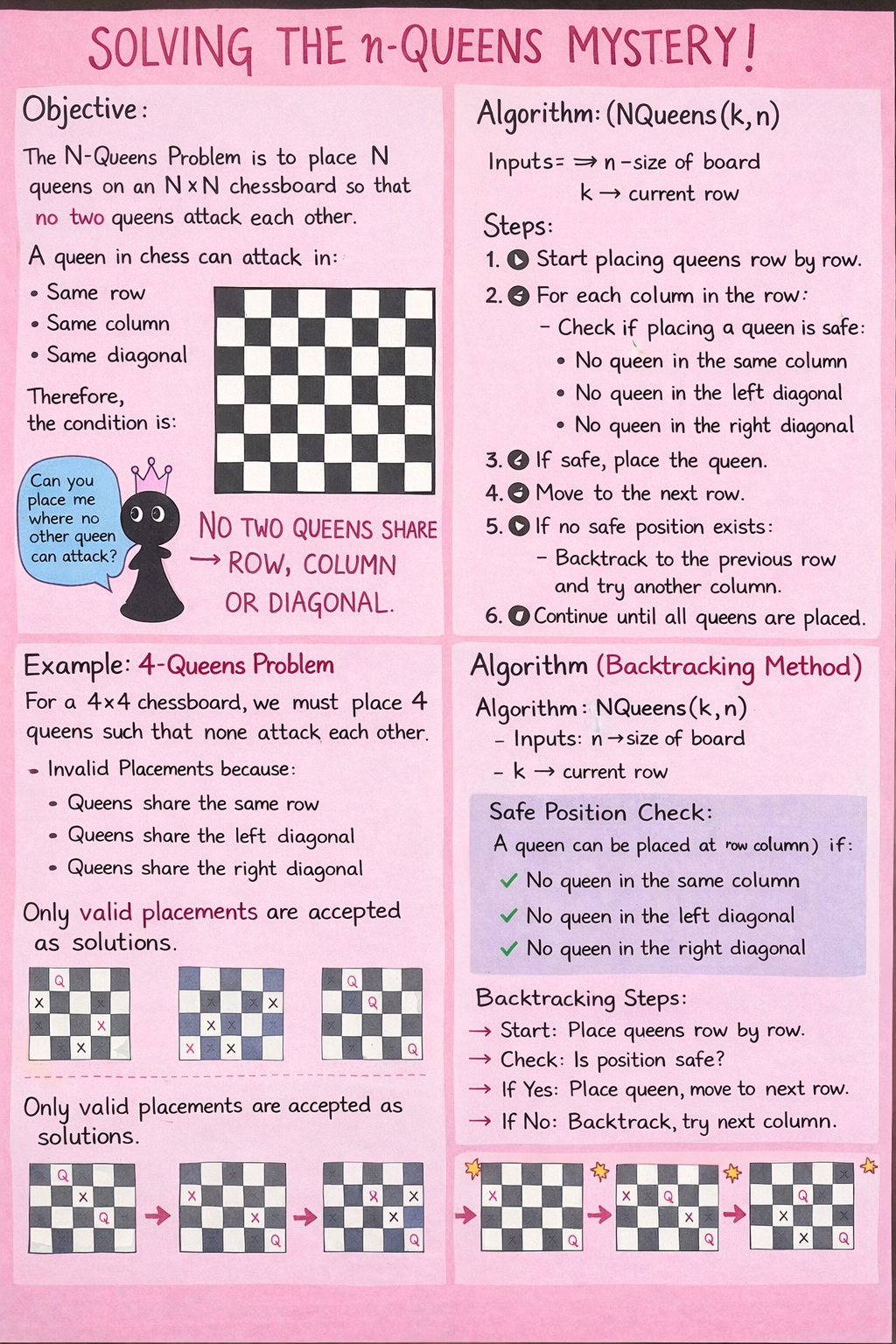
The Department of Computer Science and Engineering (CSE) adopts innovative teaching–learning methodologies to enhance technical competencies, analytical thinking, and problem-solving skills among students. A blend of modern pedagogical practices, interactive instructional strategies, and technology-enabled tools is integrated into regular classroom and laboratory sessions. These approaches strengthen the connection between theoretical concepts and real-world applications in domains such as Programming, Data Structures, DBMS, Cloud Computing, Artificial Intelligence, and Cybersecurity, thereby improving student engagement and learning outcomes.
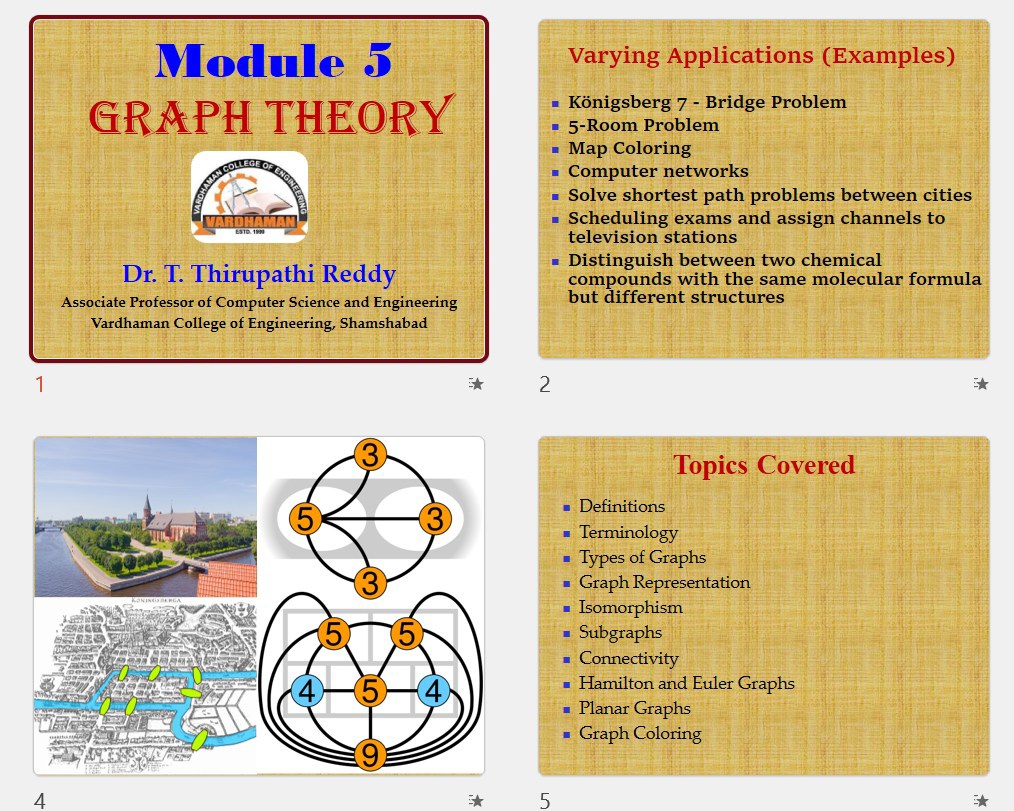
Value-added courses are offered by the Department of Computer Science and Engineering (CSE) beyond the prescribed curriculum to enhance industry-relevant skills and practical competencies. These courses effectively utilize existing laboratory infrastructure and focus on application-oriented learning, hands-on training, and exposure to emerging technologies. By bridging the gap between theoretical concepts and real-world implementation, they prepare students to meet professional challenges and evolving industry expectations.
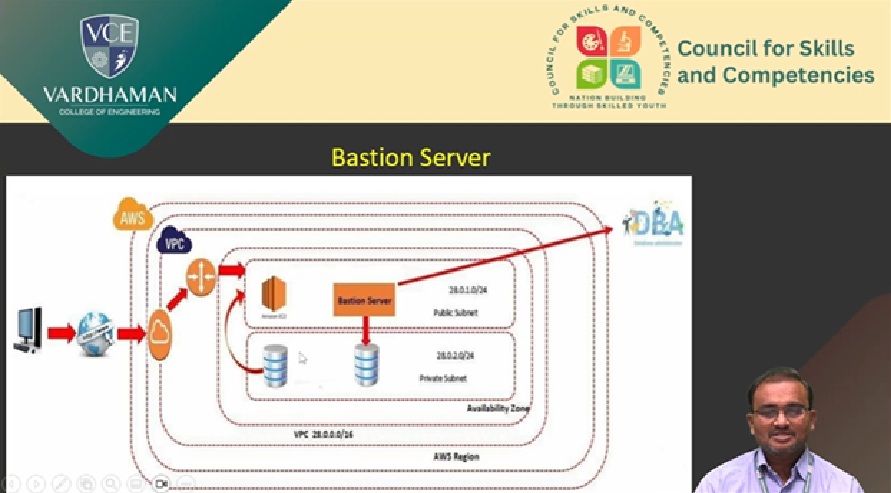
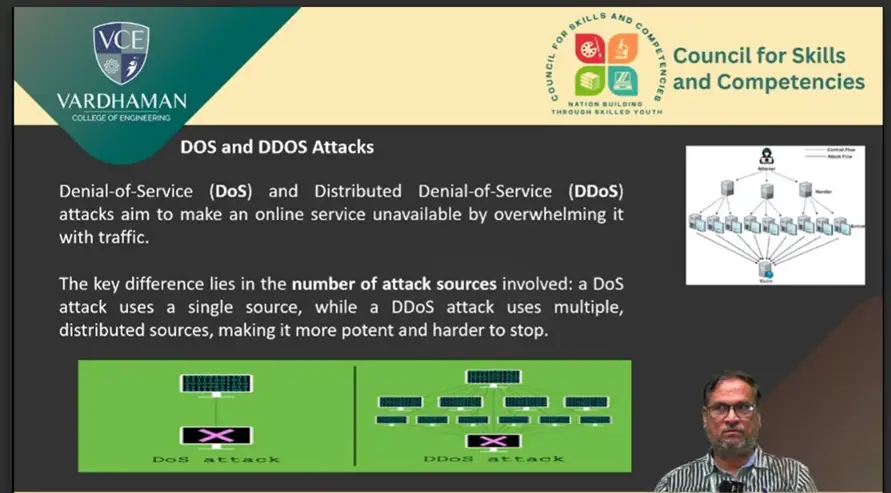
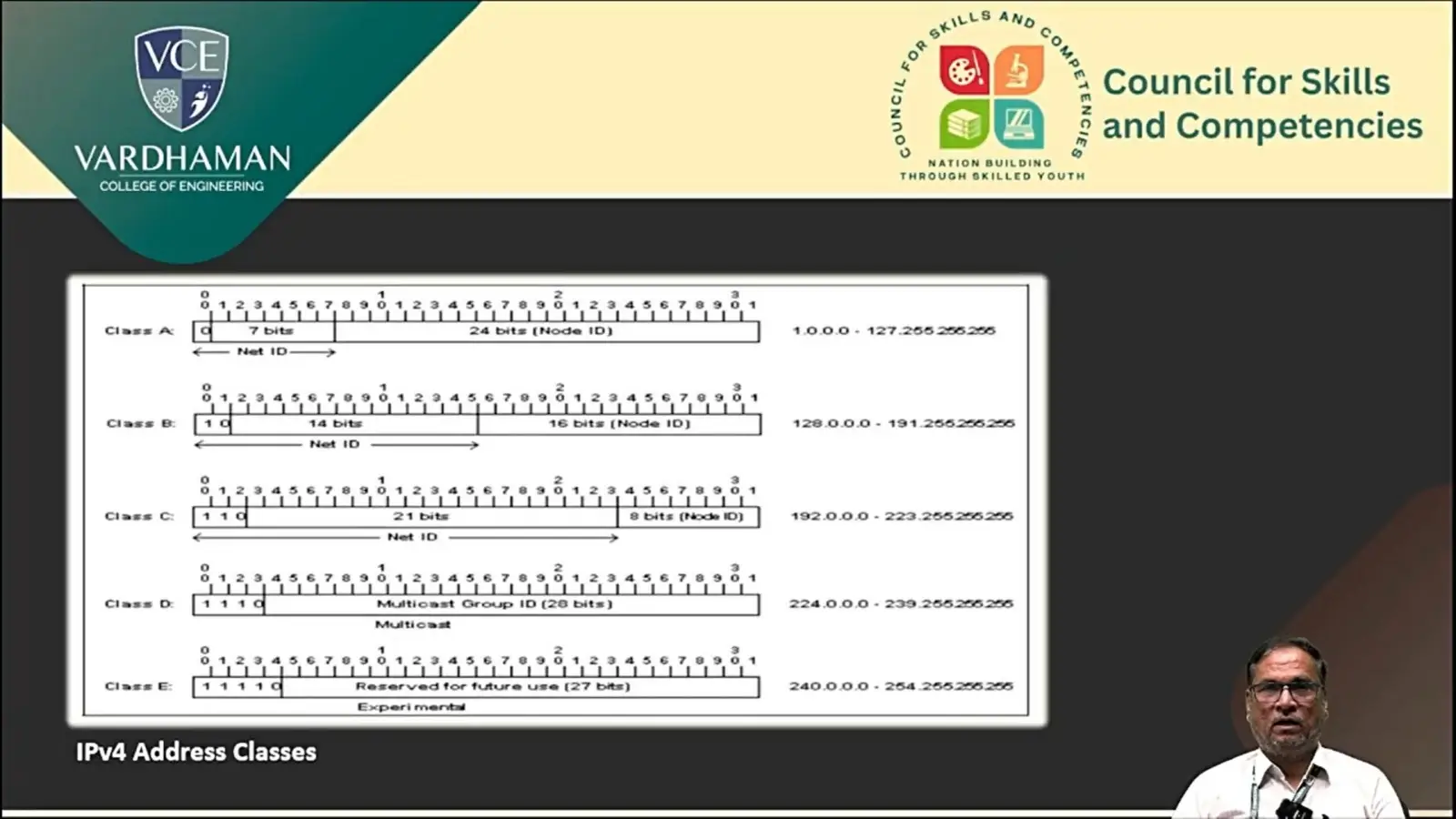
The Department of Computer Science and Engineering (CSE) actively encourages participation in SWAYAM and other MOOCs to complement classroom instruction and promote self-paced, lifelong learning. These online courses enable students and faculty to explore advanced and interdisciplinary domains such as Artificial Intelligence, Data Science, Cybersecurity, Cloud Computing, and Blockchain. By accessing expert-led content from reputed institutions, learners gain deeper conceptual understanding, practical exposure, and industry-relevant knowledge beyond the prescribed syllabus.
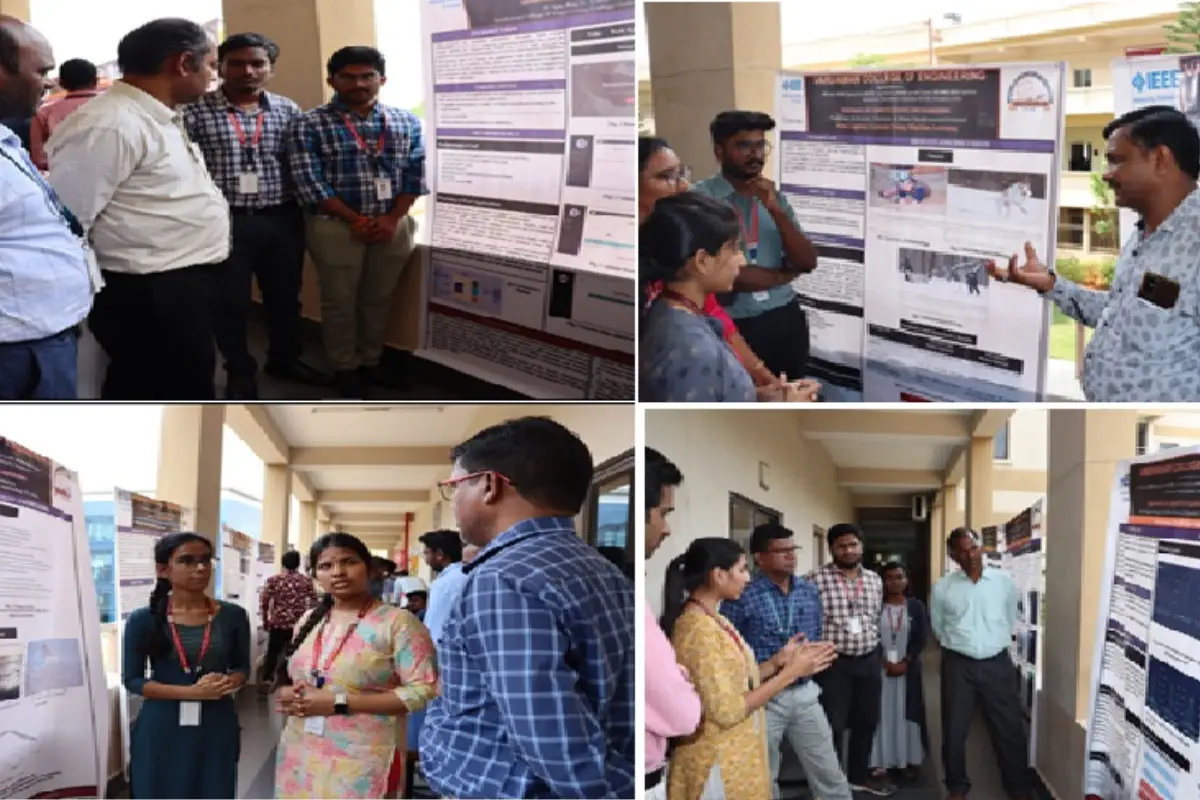
Academic projects form an integral part of the teaching–learning process and are undertaken at various stages of the program. Through structured project work, students apply theoretical concepts to practical engineering problems, gaining experiential learning opportunities. These projects foster innovation, teamwork, problem-solving abilities, and the development of technical and professional skills aligned with industry and societal needs.
The Department of Computer Science and Engineering adopts a comprehensive Outcome-Based Education (OBE) framework to ensure that graduates achieve the desired knowledge, skills, and professional competencies required in the rapidly evolving computing industry. The department’s academic structure is carefully aligned with Program Educational Objectives (PEOs), Program Outcomes (POs), Program Specific Outcomes (PSOs), and Course Outcomes (COs), as defined in the institutional OBE Manual and consistent with the Washington Accord Graduate Attributes and Knowledge Profiles (WKs). Through a well-designed curriculum, innovative teaching–learning methodologies, and continuous assessment mechanisms, students acquire strong analytical, investigative, and problem-solving abilities that enable them to apply computing knowledge effectively to real-world challenges in Computer Science and Engineering.
The department’s Program Educational Objectives emphasize preparing graduates to establish themselves as competent professionals capable of solving complex engineering problems using analytical reasoning and modern computational tools. Graduates are encouraged to continuously upgrade their knowledge in emerging areas of computing, such as artificial intelligence, data science, cybersecurity, and cloud technologies, thereby demonstrating adaptability to rapidly changing technological environments. The curriculum integrates theoretical foundations with practical exposure through laboratory work, projects, internships, and research activities, enabling students to develop technical expertise, innovation capabilities, and lifelong learning habits necessary for sustained professional growth.
Furthermore, the CSE program fosters strong professional values, leadership qualities, and teamwork skills among students. Through collaborative projects, industry interactions, and multidisciplinary activities, students learn to communicate effectively, manage resources efficiently, and work productively as team members or leaders to achieve common goals within specified timelines. The program also emphasizes ethical responsibility and societal commitment, encouraging graduates to adhere to professional codes of conduct while contributing to technological solutions that benefit society and promote sustainable development without disturbing ecological balance. Through this holistic OBE-driven approach, the department ensures that its graduates emerge as responsible professionals capable of addressing global technological challenges.
Course Outcomes (COs) are clearly defined statements prepared for every course offered in an academic program. They specify the measurable knowledge, skills, and competencies that students are expected to acquire by the end of the course. COs focus on subject-specific understanding as well as the application of concepts, problem-solving ability, analytical thinking, design capability, and practical implementation skills. These outcomes are framed in alignment with the principles of Outcome-Based Education (OBE), where the emphasis is on what learners can demonstrate after completing a learning experience rather than merely what is taught. COs are generally written using action verbs based on Bloom's Taxonomy to ensure they are observable and measurable.